Every construction project plans for delays.
Weather, labor, materials, inspections. Those are expected.
What’s not usually accounted for is something much smaller that quietly impacts all of them: fuel access.
It doesn’t sound like a big deal, but it adds up fast.
A crew shows up ready to work, but a machine is low on fuel. Someone has to leave the site, drive to a gas station, wait, fuel up, and come back. Maybe it’s one truck. Maybe it’s multiple pieces of equipment throughout the day. Either way, that’s time off the job, labor still being paid, and progress slowing down.
And it rarely happens just once.
Fuel interruptions tend to stack. One delay pushes another task back. Equipment sits idle. Schedules tighten. Deadlines start to feel closer than they should.
It’s not dramatic—it’s just constant.
That’s what makes it a silent bottleneck.
On paper, fuel is simple. In reality, it’s one of the most overlooked operational gaps on a job site.
Most crews don’t track it closely because it feels like a routine task. But when you look at it over time, the impact is clear:
- Lost labor hours from off-site fueling
- Idle equipment waiting to be refueled
- Unplanned stops that disrupt workflow
- Increased wear caused by inconsistent fueling schedules
None of these issues individually break a project. Together, they slow everything down.
This is where planning around fuel starts to matter.
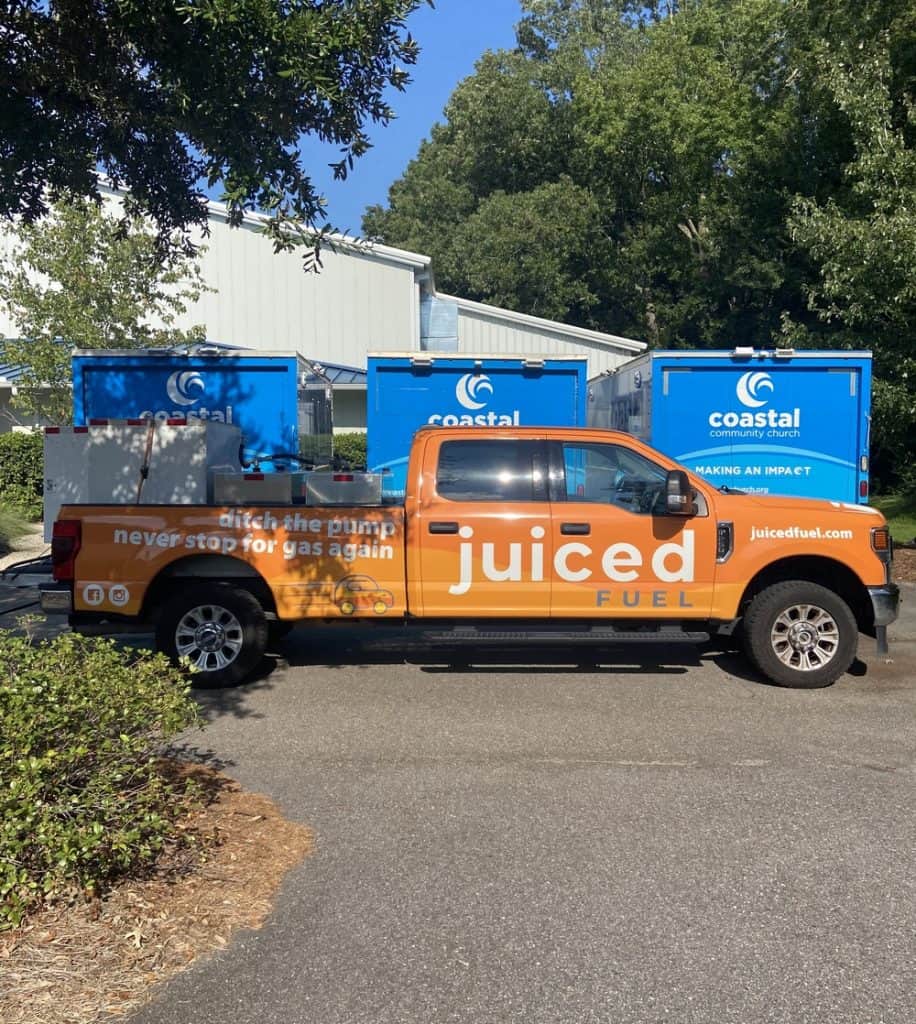
Instead of reacting when something runs low, more companies are shifting toward scheduled or on-site fueling. Keeping equipment ready before the workday starts removes the need for mid-day interruptions and keeps crews focused on what they’re actually there to do.
It’s not about convenience—it’s about efficiency.
Because in construction, momentum matters. Once it’s broken, it’s hard to get back.
Fuel delivery isn’t new to construction, but the way it’s being used is changing. It’s no longer just for large-scale operations or remote sites. More teams are recognizing that even small inefficiencies, repeated daily, can have a real impact on timelines and costs.
Fuel is one of those things you don’t think about until it slows you down.
And by then, it already has.