When you think about portable fuel storage, the iconic “jerry can” likely comes to mind. Its distinctive shape and durability have made it a symbol of efficiency and practicality in fuel transport. But have you ever wondered how this common item got its name? The story takes us back to World War II, where a simple innovation revolutionized fuel transportation for military vehicles—and earned its unusual name along the way.
The Origin of the Jerry Can
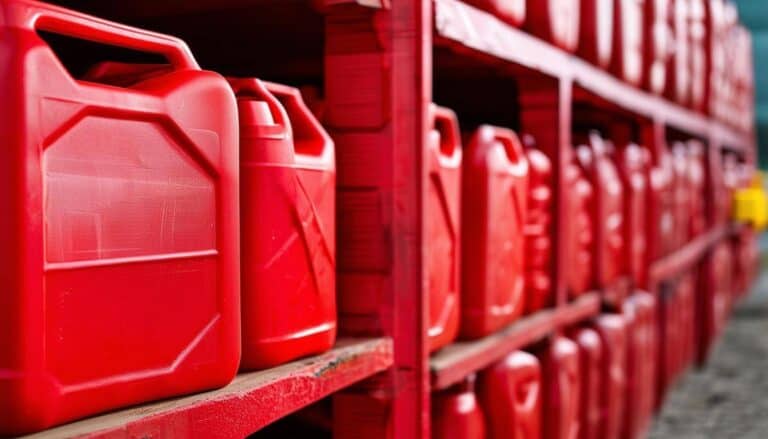
The jerry can’s origin can be traced to the late 1930s, during a time of intense military preparation across Europe. As Germany began ramping up for war, they recognized the need for a highly functional fuel container that could withstand rough handling in harsh combat conditions. Thus, German engineers developed a brilliant solution: a metal can with a compact, rectangular shape, a leak-proof cap, and three built-in handles for easy carrying, even by two people at once. They called it the “Wehrmacht-Einheitskanister,” or the “army standard canister.”
This new fuel can was light years ahead of what other nations were using at the time, as it was designed with durability and ease of use in mind. Its innovative features included:
- Pressurized sealing to prevent leaks.
- Embossed indentations to reinforce the structure, allowing the can to be dropped or jostled without damage.
- Triple handles that made it easy to pass between people or to carry multiple cans at once.
- Flat sides that allowed for efficient stacking and storage, maximizing space in vehicles.
How It Got the Name “Jerry Can”
So, how did the term “jerry can” come about? The key lies in the nickname that Allied forces used to refer to German soldiers. During World War II, British and American soldiers often called the Germans “Jerries,” a slang term derived from “Ger” in “German.” When the Allies encountered these highly effective fuel containers being used by the German army, they quickly realized their superior design compared to the cumbersome fuel cans they were using, known as “flimsies.”
In a practical move, British forces began copying the design for their own use, and the term “jerry can” was born, paying homage to the Germans, or “Jerries,” who had originally created it.
A Design That Endures
The jerry can wasn’t just a wartime solution—it became an enduring tool in both military and civilian use. After the war, the design was so effective that it became the global standard for fuel transport containers. The jerry can’s ability to safely transport liquids in the harshest conditions, combined with its durability and practicality, made it a staple in industries far beyond the military.
Why the Jerry Can Matters Today
Even decades after its creation, the jerry can remains a symbol of innovative design and functionality. It represents a time when necessity drove invention, and the result was something that could be used across the world in a variety of applications—from fueling vehicles to storing water. While modern plastics have replaced metal in many instances, the jerry can’s essential design has remained largely unchanged, a testament to its enduring usefulness.
Whether you’re storing fuel for a generator, stocking up for an off-road adventure, or just keeping extra gas on hand for your boat, you’re likely using a design that’s nearly 100 years old—and now, you know the history behind the name!
So next time you fill up a jerry can, remember its roots in World War II, and the soldiers who helped bring this brilliant German invention to the world.