We’ve all had that moment. The low-fuel light flicks on, glowing somewhere between warning and accusation, and instead of immediately pulling into the nearest gas station, we start bargaining with the dashboard.
“I can make it.”
“It’s not that far.”
“I’ll just get gas tomorrow.”
Running on empty feels like a simple habit, maybe even a harmless one, but it’s actually a fascinating example of human psychology at work. Most drivers assume it happens because we’re forgetful or bad at planning. In reality, our brains are quietly influencing the decision long before the tank gets low.
One of the biggest forces at play is optimism bias — our tendency to believe that negative outcomes are less likely to happen to us. Even if we’ve run out of gas before, there’s a small, confident voice that says, “That won’t happen this time.” We trust that the car will stretch a little further, that traffic will cooperate, that luck will stay on our side.
Then there’s present bias, which is our brain’s preference for immediate comfort over future consequences. Stopping for gas feels inconvenient right now. Running out of fuel feels like a problem for later. Humans are wired to minimize friction in the present moment, even if it creates stress down the road. So we keep driving.
Ironically, the more often we “get away with it,” the stronger this behavior becomes. Successfully driving with the fuel light on builds a subtle but dangerous confidence. Yesterday we made it another 20 miles. Last week we pushed it even further. The brain quietly logs these wins and starts rewriting the rules. Until the day the math doesn’t work.
What’s interesting is how emotional the experience becomes once the tank gets really low. Drivers often describe a very specific type of anxiety — constantly checking the miles-to-empty display, scanning for gas stations, mentally calculating distances, feeling that knot in the stomach tighten with every mile. That stress response isn’t dramatic or irrational. It’s your brain reacting to uncertainty.
Low fuel triggers the same internal systems designed to keep us safe. The car isn’t just running out of gas — your brain interprets it as running out of options. Even if you’re still miles away from being stranded, the sense of dwindling resources creates tension. Attention narrows. Patience shortens. Every red light suddenly feels personal.
Beyond the stress, there are also practical consequences. Consistently driving near empty increases distraction, encourages rushed decision-making, and can contribute to avoidable roadside emergencies. And let’s be honest, running out of gas never happens at a convenient time. It’s always when you’re late, stuck in traffic, dealing with bad weather, or already overwhelmed.
Which is why more drivers are starting to rethink the entire fueling experience.
Instead of relying on memory, motivation, or perfectly timed gas station stops, people are choosing systems that remove the decision altogether. Because the easiest way to win the running-on-empty battle is simply to stop playing the game.
Mobile fuel delivery changes the psychology completely. There’s no mental negotiation, no “I’ll do it later,” no stress about squeezing in a detour between meetings or school pickup. Fuel shows up while you’re working, sleeping, at home, or getting on with your day. The friction disappears, and with it, the cycle of delay and anxiety.
Convenience, despite its reputation, isn’t laziness. From a behavioral perspective, it’s cognitive efficiency. Every small, repetitive task we eliminate frees up mental bandwidth. Less decision fatigue. Less stress. Less background worry. In a world where our attention is constantly pulled in a dozen directions, reducing even minor sources of friction can make a noticeable difference.
Running on empty isn’t a character flaw. It’s human nature — optimism, habit, busy schedules, competing priorities. The real upgrade isn’t trying harder to remember to get gas. It’s building a routine where you don’t have to.
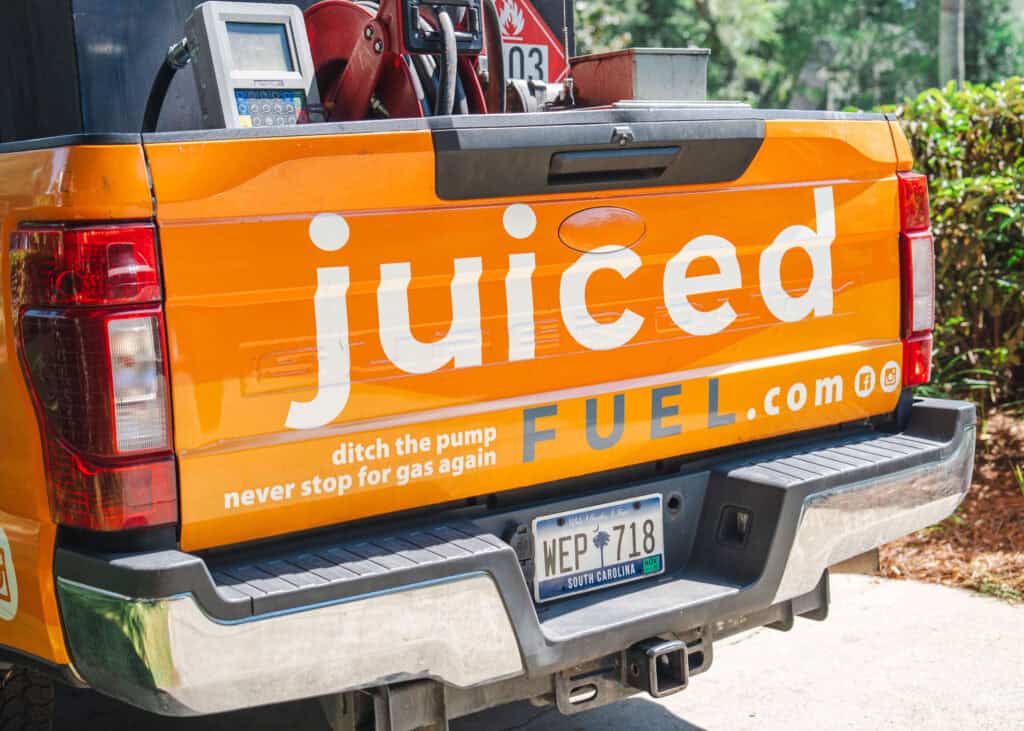
Juiced Fuel was designed for exactly that shift. Gasoline and diesel delivered directly to your vehicle, so your fuel tank stays full without the detours, delays, or dashboard negotiations.
Because life is already demanding enough. Your gas gauge doesn’t need to add to the drama.