If you’ve ever told someone you use fuel delivery, you’ve probably seen the look.
A mix of curiosity, skepticism, and a silent “wait… what?”
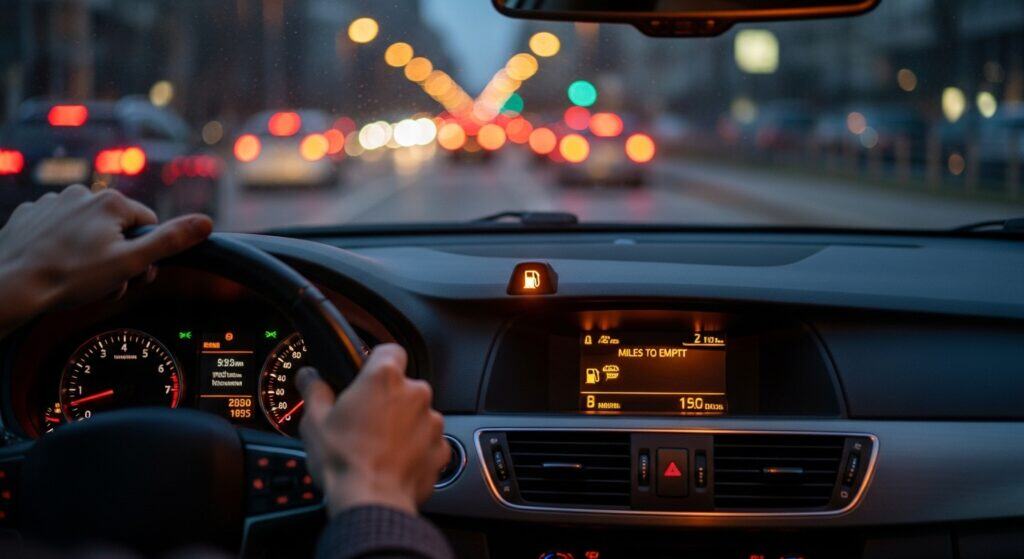
Because for most drivers, fueling up has always meant one thing: a gas station. You drive there, stand at the pump, swipe your card, and carry on with your day. It’s so ingrained in our routines that the idea of fuel coming to you can feel unusual at first.
And whenever something challenges a long-standing habit, the brain does what it does best. It questions it.
Is this real?
Is it safe?
Is this even legal?
What’s the catch?
These are fair questions. In fact, they’re exactly the kinds of questions people asked years ago about grocery delivery, rideshare apps, and food delivery. Anything that feels “too convenient” tends to trigger a bit of healthy doubt.
But fuel delivery isn’t a gimmick or a shortcut around regulations. It’s simply the modernization of something that has always existed: transporting and dispensing fuel safely.
Professional mobile fuel providers operate within strict federal, state, and local guidelines. The vehicles, tanks, and dispensing systems are designed specifically for fuel handling. Drivers are trained. Equipment is regulated. Safety protocols are built into every step of the process.
In other words, this isn’t someone showing up with a gas can.
It’s commercial-grade fueling, just delivered differently.
Safety is often the biggest concern, and understandably so. Fuel is something people associate with flammability and risk, yet we rarely think twice about pulling into a busy gas station where dozens of drivers are handling nozzles, pumps, and static-prone environments simultaneously.
Mobile fuel delivery removes much of that unpredictability. The process is controlled, handled by trained operators using specialized equipment with spill prevention systems and emergency shut-offs. The environment is calmer. The procedure is standardized.
Then there’s the legality question. Yes, fuel delivery is legal when performed by properly licensed providers. The industry is regulated because fuel transport and dispensing are regulated. Legitimate companies don’t bypass rules; they operate squarely within them.
Another hesitation people quietly carry is the feeling that it must be wildly expensive. But when you step back and look at the full picture, cost becomes more nuanced. Fueling at a station isn’t just about the price on the pump. It’s the extra drive, the time spent detouring, the impulse purchases, the minutes that quietly add up across weeks and months.
Convenience has value. Time has value. Reduced stress has value.
Which is why fuel delivery often shifts from “Is this legit?” to “Why didn’t I start doing this sooner?”
The truth is, most skepticism comes from unfamiliarity, not flaw. We’re conditioned to believe that getting gas is something we must physically go do. But consumer behavior is changing everywhere. Services that eliminate small frictions in daily life are becoming the norm, not the exception.
Fuel is simply catching up.
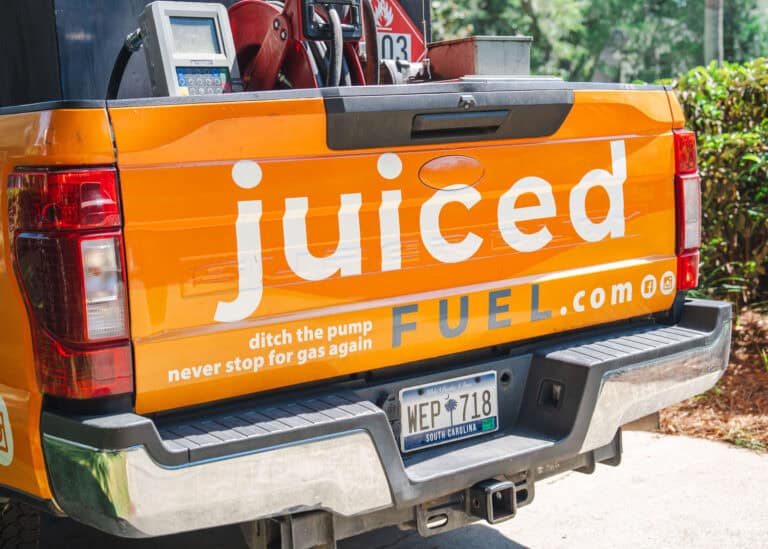
Juiced Fuel was built around that shift. Safe, compliant, professional fuel delivery designed to fit into your life instead of interrupting it. Your vehicle gets the same quality fuel it would receive at a station, without the detour, the wait, or the mental reminder.
Because once you realize fuel delivery is not only legitimate but highly regulated and widely used, the better question becomes:
Why keep rearranging your day around a gas pump?