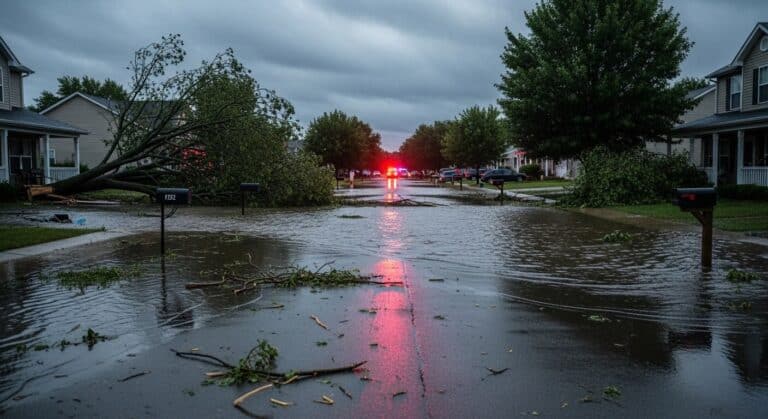
When disasters strike, fuel becomes one of the most critical and overlooked resources. Electricity may be out, supply chains disrupted, and gas stations overwhelmed or offline. In those moments, access to fuel isn’t about convenience. It’s about safety, mobility, and recovery.
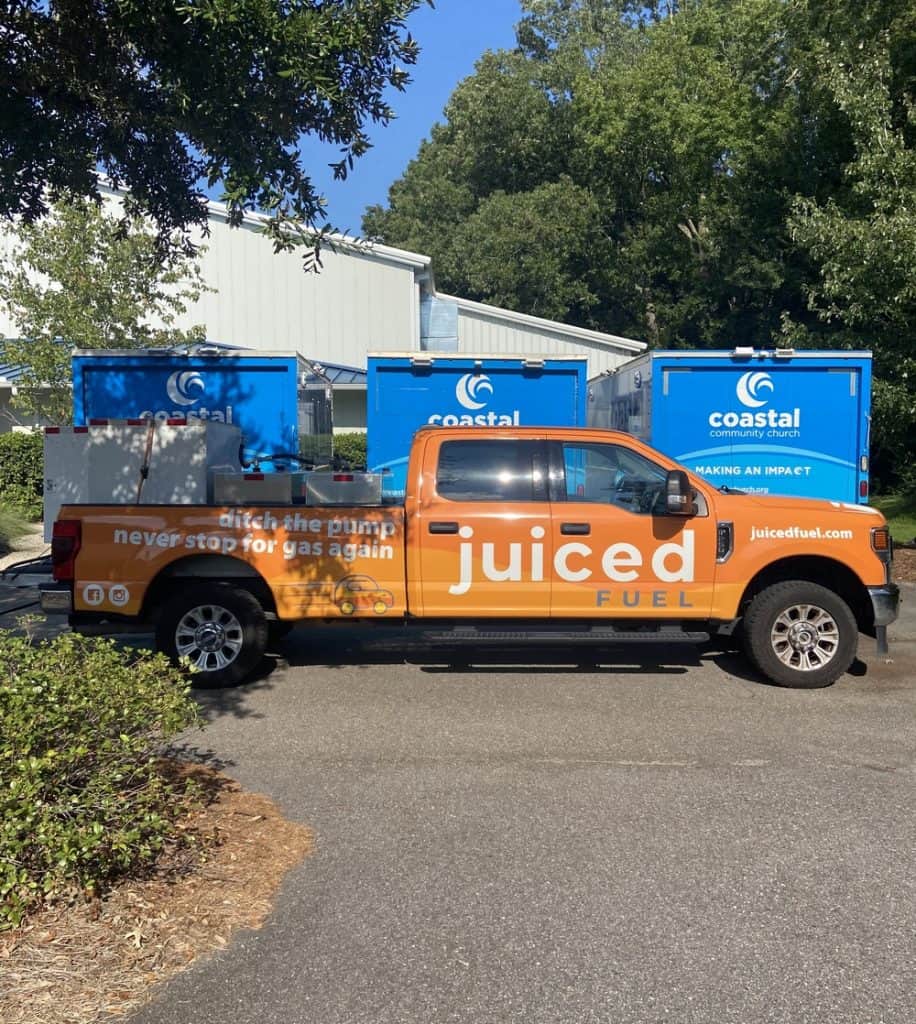
Mobile fuel delivery plays a vital role in disaster response by bringing fuel directly to the people and organizations that need it most, when traditional fueling options fail.
Fuel Is the Backbone of Emergency Response
During natural disasters like hurricanes, floods, wildfires, and winter storms, fuel powers nearly every aspect of response and recovery. Emergency vehicles, generators, medical equipment, communication systems, and supply transport all depend on it.
Without reliable fuel access:
- First responders can’t stay mobile
- Hospitals and shelters struggle to operate generators
- Utility crews can’t restore power
- Families can’t evacuate or reach essentials
Fuel access directly affects how quickly a community can stabilize and recover.
Why Gas Stations Often Fail During Disasters
Traditional gas stations rely heavily on infrastructure that is vulnerable during emergencies. Power outages can shut down pumps. Roads may be impassable. Supply trucks may be delayed. Even when stations are operational, panic buying and long lines quickly create shortages.
Mobile fuel delivery removes several of these bottlenecks by operating independently of fixed locations and adapting routes based on real-time conditions.
Mobile Fuel Delivery Brings Fuel to the Need
Instead of requiring people to find fuel, mobile fuel delivery flips the model. Fuel is transported safely and directly to vehicles, generators, fleets, and equipment wherever they are staged.
This flexibility allows fuel providers to support:
- Emergency responders and utility crews
- Medical facilities and shelters
- Municipal vehicles and essential workers
- Businesses maintaining critical services
- Families who cannot safely travel
By meeting people where they are, mobile fuel delivery reduces congestion, risk, and delay.
Faster Response and Less Chaos
Disasters create urgency and uncertainty. Long lines at gas stations increase stress, traffic, and the likelihood of accidents. Mobile fuel delivery helps reduce that pressure by limiting unnecessary travel and consolidating fueling efforts.
Emergency teams can remain focused on their mission instead of managing fuel logistics. Communities experience fewer choke points and safer movement during critical hours.
Supporting Recovery After the Immediate Crisis
The need for fuel doesn’t end when the storm passes. Recovery often takes days or weeks. Cleanup crews, contractors, supply deliveries, and displaced families all require continued fuel access.
Mobile fuel delivery supports this extended recovery phase by providing consistent, scheduled fueling without relying on damaged infrastructure. This continuity helps communities rebuild faster and with fewer disruptions.
Scalability When It Matters Most
One of the strongest advantages of mobile fuel delivery during disasters is scalability. Trucks and teams can be deployed where demand is highest, adjusted daily, and coordinated with local authorities or relief organizations.
This adaptability allows fuel delivery services to respond dynamically as conditions change, rather than being limited to a fixed footprint.
Fuel as a Humanitarian Resource
In disaster scenarios, fuel becomes a humanitarian resource. It enables mobility, warmth, communication, medical care, and access to food and water. Mobile fuel delivery bridges the gap between fuel supply and human need when normal systems break down.
That role is increasingly recognized by communities, municipalities, and relief organizations as part of modern emergency planning.
Why Mobile Fuel Delivery Will Continue to Matter
As extreme weather events become more frequent and infrastructure faces growing strain, flexible solutions are essential. Mobile fuel delivery provides resilience in moments when it matters most.
It is not just a backup plan. It is a critical tool for disaster preparedness, response, and recovery.
SEO FAQ Section
How does mobile fuel delivery help during disasters?
Mobile fuel delivery provides fuel directly to emergency responders, generators, fleets, and vehicles when gas stations are unavailable or overwhelmed.
Why is fuel important during emergency response?
Fuel powers emergency vehicles, medical equipment, generators, communication systems, and recovery operations.
Can fuel delivery operate during power outages?
Yes. Mobile fuel delivery does not rely on powered gas stations and can operate independently with proper planning and access.
Is mobile fuel delivery safe during emergencies?
Professional providers follow strict safety protocols, trained handling procedures, and regulatory compliance even during disaster conditions.