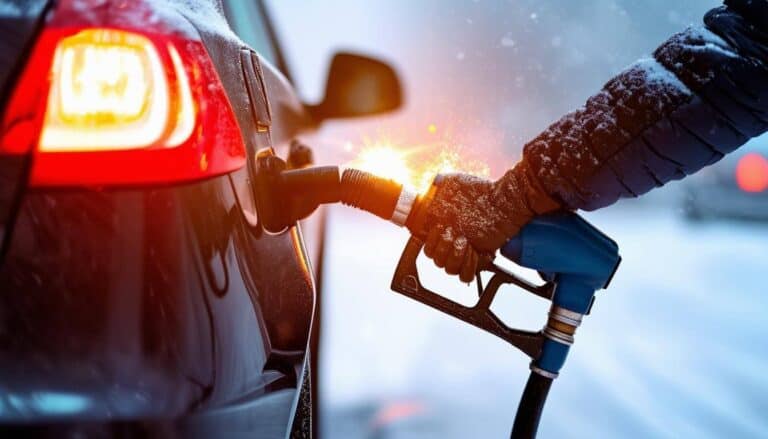
If you’ve ever pulled up to the gas station, you might have heard the advice to “touch metal” before fueling your car. But is this precaution really necessary, or is it just another one of those quirky myths? Let’s dive into the science behind this advice and uncover whether you need to make physical contact with your car’s metal parts before pumping gas.
1. The Origin of the Touch Metal Myth
The idea behind touching metal before fueling stems from the concern about static electricity. Static electricity can build up as you move around, especially in dry conditions, and there’s a slight risk it could spark a fire if it discharges near flammable fuel vapors. The thought was that touching metal would discharge any static electricity safely before you handle the fuel nozzle.
2. Static Electricity: The Real Deal
Here’s the lowdown on static electricity: It’s a natural phenomenon where electrons accumulate on a surface, creating an imbalance. While static electricity can indeed be a problem in some scenarios, the risk of it igniting fuel vapors at a gas station is extremely low. Modern fuel pumps and gas stations are designed with safety in mind and have grounding systems to prevent such risks.
3. Modern Safety Measures
Today’s gas stations are equipped with various safety features to minimize any risk associated with static electricity:
– Grounding Systems: Fuel dispensers and tanks are grounded to prevent static build-up. This means that even if static electricity were to accumulate, the system is designed to safely dissipate it.
– Nozzle Design: The fuel nozzles themselves are built to prevent sparks. They’re constructed with materials and designs that minimize any risk of static discharge.
– Safety Instructions: Most gas stations provide clear instructions and safety guidelines to follow. Ignoring these can sometimes pose a risk, but touching metal specifically isn’t a required step.
4. Practical Tips for Safe Fueling
While touching metal might not be necessary, there are some good practices to follow for safe fueling:
– Avoid Using Your Phone: Stay focused on the task at hand. Distractions can lead to accidents.
– Turn Off Your Engine: Most safety guidelines recommend turning off your vehicle before refueling.
– Don’t Overfill: Stop when the pump clicks off to avoid spills and overflows.
– Follow Station Guidelines: Adhere to any specific instructions or safety signs posted at the pump.
5. The Touch Metal Myth in the Age of Modern Safety
So, do you need to touch metal before fueling your car? The short answer is no. Modern safety features at gas stations make this precaution unnecessary. However, if you’re looking for a way to keep your fueling routine as safe as possible, following general safety guidelines is the way to go.
6. Embrace the Convenience
Next time you pull up to the pump, you can confidently skip the metal-tapping ritual and focus on other aspects of safe fueling. Modern technology and stringent safety protocols have got you covered, ensuring that refueling remains a simple and secure process.
Conclusion: Myth Busted
The “touch metal before fueling” advice may have had its roots in good intentions, but in today’s world of advanced safety systems, it’s more myth than necessity. Keep your fueling routine straightforward by following modern safety guidelines, and leave the metal-tapping to the old wives’ tales.
So, go ahead—fuel up, hit the road, and enjoy the peace of mind that comes with knowing you’re following best practices without any unnecessary steps. Happy driving!