
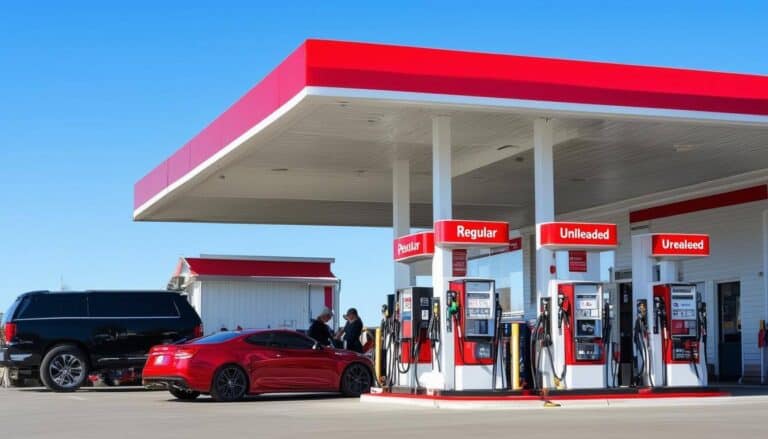
When you pull up to the gas station, you’re likely faced with several fuel options—regular unleaded, premium, diesel, and maybe even a selection of alternative fuels. But what’s the most popular fuel type, and why does it dominate the market? Let’s dive into the world of fuels and discover what drives the majority of vehicles today.
1. The Reign of Regular Unleaded Gasoline
When it comes to popularity, regular unleaded gasoline is the undisputed champion. This fuel type, often labeled as 87 octane, is the most commonly used in vehicles across the globe. Here’s why it holds the top spot:
– Affordability: Regular unleaded is typically the cheapest option at the pump. For many drivers, cost is a significant factor in fuel choice, and regular gasoline offers a budget-friendly option.
– Compatibility: The majority of vehicles on the road today are designed to run on regular unleaded gasoline. It’s the standard fuel for most cars, SUVs, and light trucks, making it the go-to choice for many drivers.
– Widely Available: With thousands of gas stations across the country and around the world offering regular unleaded gasoline, it’s incredibly convenient to find and purchase.
2. Premium Gasoline: A Niche But Noteworthy Choice
Premium gasoline, usually labeled as 91 or 93 octane, is less common but still significant in the fuel landscape. It’s often used in high-performance vehicles and luxury cars that require higher octane levels for optimal engine performance. Here’s why some drivers opt for premium:
– Enhanced Performance: Premium gasoline can help engines that require higher octane levels run more smoothly and efficiently. It’s often recommended for vehicles with turbocharged engines or high compression ratios.
– Preventing Engine Knock: For certain engines, using premium gasoline helps prevent knocking, a knocking sound that occurs when fuel ignites prematurely in the engine.
While premium gasoline is less popular than regular, it serves an important role for vehicles designed to benefit from its higher octane content.
3. Diesel Fuel: Power and Efficiency for Trucks and More
Diesel fuel is another major player in the fuel market, particularly for commercial vehicles and trucks. Here’s why diesel fuel holds a significant share:
– Fuel Efficiency: Diesel engines are known for their superior fuel efficiency compared to gasoline engines. They typically offer better mileage and more torque, which is advantageous for heavy-duty applications.
– Durability: Diesel engines are built to withstand the stresses of high torque and heavy loads, making them ideal for trucks, buses, and other commercial vehicles.
Despite being less common in passenger cars, diesel fuel remains popular in the commercial sector due to its efficiency and performance benefits.
4. The Rise of Alternative Fuels: A Growing Trend
Alternative fuels like ethanol, propane, and electricity are gaining traction as concerns about environmental impact and sustainability grow. Here’s a look at some of these alternatives:
– Ethanol: Often blended with gasoline (e.g., E85), ethanol is a renewable fuel made from plant materials. It’s becoming more popular due to its potential to reduce greenhouse gas emissions.
– Propane: Used primarily in fleet vehicles and some personal vehicles, propane is a cleaner-burning alternative to gasoline and diesel.
– Electricity: Electric vehicles (EVs) are on the rise, with many drivers making the switch to reduce their carbon footprint. EVs are powered by electricity from batteries and offer a zero-emission driving option.
While alternative fuels are still a smaller segment of the market compared to gasoline and diesel, they are growing rapidly and represent the future of automotive energy.
5. Looking Ahead: The Future of Fuel
The fuel landscape is evolving with advancements in technology and shifts in environmental policies. Gasoline remains the most popular fuel type today, but the rise of electric and alternative fuels indicates a significant transformation on the horizon. As technology continues to advance and environmental concerns become more pressing, we can expect to see changes in the fuel types that dominate the market.
Conclusion: Gasoline Still Leads, but Change is on the Horizon
While regular unleaded gasoline is currently the most popular fuel type, the automotive industry is in a state of flux with the growing prominence of alternative fuels and electric vehicles. For now, gasoline’s affordability, compatibility, and availability make it the top choice for most drivers. However, as new technologies and environmental considerations shape the future, we may see shifts in fuel preferences and a greater emphasis on sustainability.
So, whether you’re filling up with regular, premium, diesel, or exploring alternative fuels, you’re part of a dynamic industry that’s continuously evolving. Stay tuned, because the future of fuel is just around the corner!
