
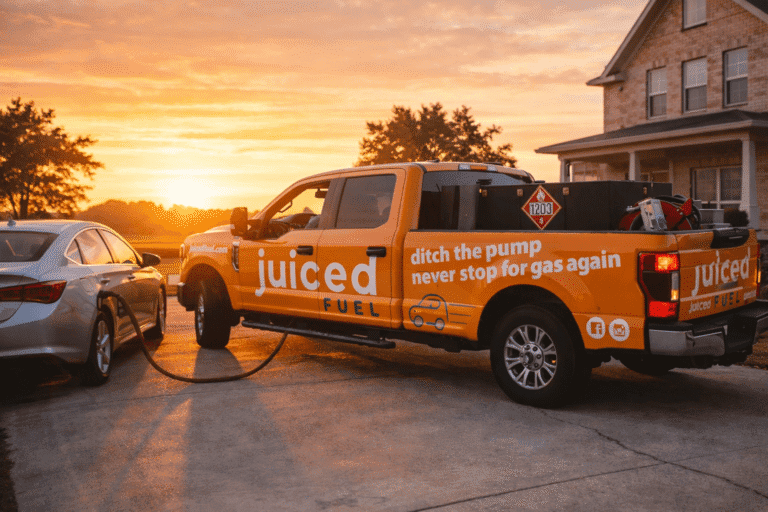
Fuel delivery was once considered a niche service, something reserved for fleets or emergencies. Today, it’s one of the fastest-growing convenience services in the United States. As consumer behavior shifts and expectations evolve, more people are asking why fuel delivery is becoming so popular and whether it’s here to stay.
The short answer is simple: fuel delivery meets people where modern life already is.
The Rise of the Convenience Economy
Over the past decade, Americans have embraced on-demand services in nearly every area of life. Groceries, meals, prescriptions, household essentials, and even pet food are now delivered directly to homes and workplaces. Fuel is no different.
People no longer plan their day around errands. They expect services to fit into their schedules, not disrupt them. Fuel delivery eliminates one of the most inconvenient and time-consuming tasks drivers face: stopping at the gas station.
For busy families, professionals, and business owners, that convenience adds up quickly.
Changing Lifestyles and Time Pressure
Americans are driving more, juggling more responsibilities, and spending more time managing logistics than ever before. Longer commutes, traffic congestion, school schedules, work demands, and family obligations all compete for limited time.
Fuel delivery removes a friction point. Instead of detouring to a gas station, waiting in line, or rearranging plans, drivers can have fuel delivered while they are at home, at work, or wherever their vehicle is parked.
As time becomes a more valuable currency, services that save it continue to grow.
Technology Made It Possible
Fuel delivery didn’t scale nationally until technology caught up with the idea. Mobile apps, GPS tracking, secure payments, and route optimization now make it efficient, transparent, and reliable.
Customers can request fuel in seconds, receive updates in real time, and know exactly when their vehicle has been serviced. For providers, technology allows safer operations, smarter routing, and better compliance with regulations.
This combination of convenience and trust is a major reason fuel delivery has expanded beyond early adopters into mainstream use.
Safety and Reliability Matter More Than Ever
Running out of gas is more than an inconvenience. It can be unsafe, stressful, and disruptive, especially in extreme weather, high-traffic areas, or unfamiliar locations.
Fuel delivery helps prevent those situations entirely. Professional services follow strict safety standards, use compliant equipment, and employ trained operators to ensure fuel is delivered responsibly.
As drivers become more risk-aware and safety-conscious, proactive solutions like fuel delivery gain traction.
Weather, Emergencies, and Unpredictability
Natural disasters, storms, and supply disruptions have changed how people think about fuel access. When gas stations are crowded, closed, or inaccessible, mobile fuel delivery can help keep vehicles moving.
Fuel delivery services also play an important role during emergencies by supporting essential workers, families, and businesses when traditional fueling options are limited.
This reliability during critical moments has positioned fuel delivery as more than a convenience. It’s becoming a resilience tool.
Business and Fleet Demand Is Growing
Beyond individual drivers, businesses are increasingly turning to fuel delivery for operational efficiency. Fleets, service vehicles, contractors, marine operators, and commercial accounts benefit from reduced downtime and predictable fueling.
Instead of sending drivers off route to refuel, fuel comes to them. That means more productive hours, lower labor waste, and smoother operations.
As businesses look for ways to streamline costs and logistics, fuel delivery continues to expand in the commercial sector.
A Shift in How We Think About Fuel
Gas stations aren’t disappearing, but they are no longer the only option. Fuel delivery fits into a broader shift toward flexibility and personalization. People want options that match how they live, work, and move.
Just as banking, shopping, and transportation have evolved, fueling is following the same path.
What This Growth Means Going Forward
Fuel delivery is growing in the U.S. because it solves real problems. It saves time, reduces stress, improves safety, supports businesses, and adapts to modern lifestyles. As awareness increases and technology continues to improve, adoption will only accelerate.
For drivers, it means fewer errands and more control. For businesses, it means efficiency. For communities, it means resilience.
Fuel delivery isn’t just a trend. It’s a response to how life works now.
About Juiced Fuel
Juiced Fuel is a mobile fuel delivery service providing on-demand gasoline and diesel directly to customers’ vehicles, boats, fleets, and equipment. Built on convenience, safety, and community, Juiced Fuel is redefining how America fuels.

