
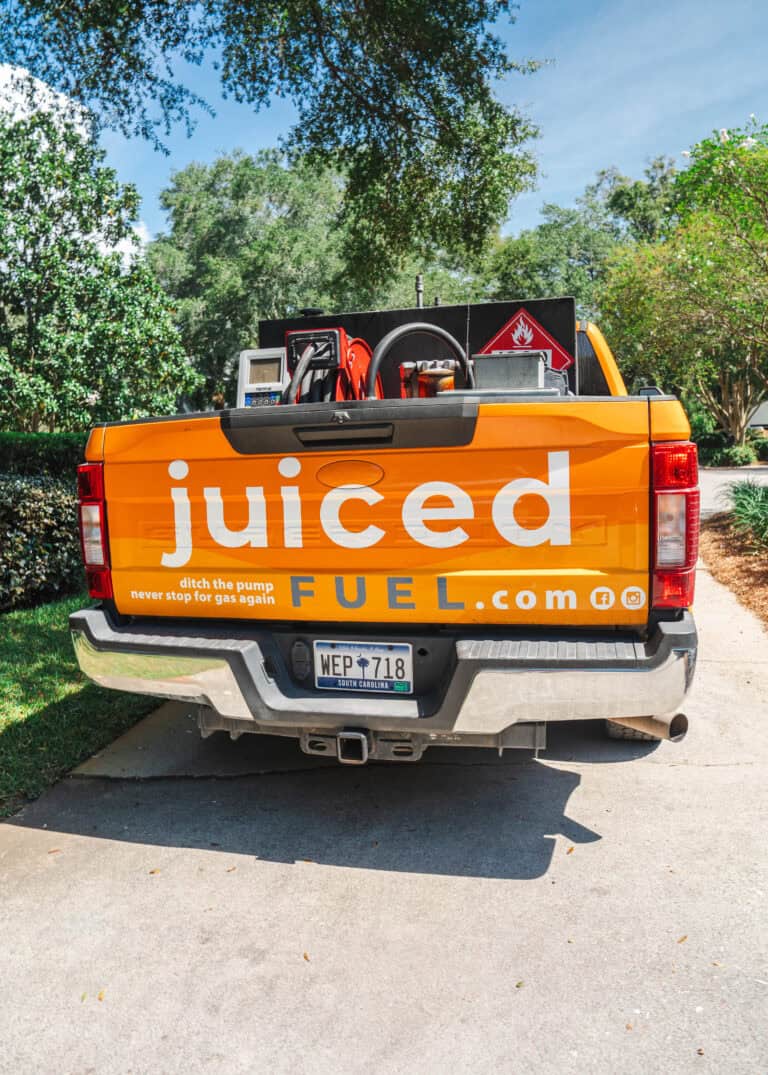
Fuel delivery isn’t a new concept. It’s been around for decades, quietly serving industries like construction, marine, and fleet operations. Businesses have relied on it for years. So the real question isn’t what is fuel delivery — it’s why is it suddenly everywhere now?
For a long time, the model worked, but only in limited environments. Routes were predictable, demand was concentrated, and operations stayed relatively simple. Expanding that same system to everyday consumers wasn’t easy. The technology and infrastructure to support it at scale didn’t exist, so it stayed niche.
What’s changed is the ability to execute.
Modern routing systems, mobile apps, and real-time scheduling have made it possible to coordinate deliveries efficiently across entire cities. Instead of rigid routes, companies can now adjust on the fly — stacking stops, managing timing, and maximizing each truck’s capacity in a way that actually makes business sense.
At the same time, consumer expectations have shifted. Convenience isn’t a luxury anymore; it’s the standard. People are used to having everything delivered, and fuel was one of the last things that hadn’t caught up. Now it has.
On the business side, the shift is even more obvious. Fleet owners are paying closer attention to how much time and money is lost sending employees to gas stations. Fuel delivery eliminates that inefficiency completely, which is why more companies are adopting it as part of their operations.
There’s also a piece most people don’t see, and that’s operational maturity. Early versions of fuel delivery struggled because they lacked consistency, structure, and compliance. Now, the companies that are growing are the ones that have built real systems behind the scenes. They understand logistics, safety, and supply in a way that allows them to scale without breaking.
So while fuel delivery itself isn’t new, the ability to do it well at scale is.
It took the right mix of technology, demand, and operational experience to get here. Now that those pieces are in place, growth isn’t just possible — it’s inevitable.
And that’s why you’re seeing it everywhere.

