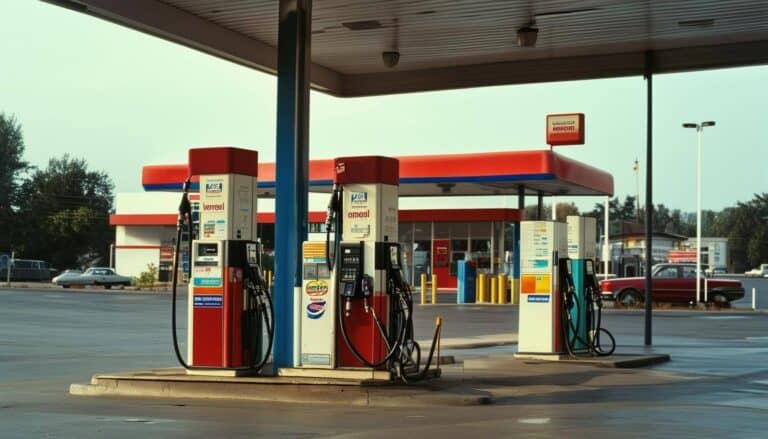
For many, stopping at a gas station is a routine part of daily life. But for people with disabilities, this simple task can present a range of challenges that make fueling up not just inconvenient, but often impossible.
The Challenges Faced by People with Disabilities at Gas Stations
Gas stations are typically designed with the assumption that everyone can easily get in and out of their vehicle, walk to the pump, and operate the fuel dispenser. However, for individuals with physical disabilities, this is far from the reality.
1. Inaccessible Pumps
Lack of Curb Cuts and Ramps: Many gas stations lack the necessary infrastructure to accommodate those who use wheelchairs or other mobility devices. Without curb cuts or ramps, even reaching the pump can be a daunting task.
Height of Fuel Dispensers: The height of fuel dispensers is often not adjustable, making it difficult for individuals in wheelchairs to reach the nozzle, payment screen, or buttons.
2. Difficulty with Self-Service
Complex Controls: Operating a fuel pump can require significant dexterity, strength, and coordination, which can be challenging for those with limited mobility or dexterity. The controls are often designed without considering the needs of people with disabilities.
Payment Systems: Reaching the payment system, swiping a card, or entering information can be difficult for those with physical impairments. Additionally, the lack of tactile or voice-guided systems can make it hard for visually impaired individuals to navigate the process.
3. Lack of Assistance
Inconsistent Service Options: While some gas stations offer an option to request assistance, this service is not consistently available or well-advertised. Even when it is available, it may require honking a horn or calling a number, which can be embarrassing or impractical.
Long Wait Times: Even when assistance is available, customers may face long wait times, as station attendants are often busy or not trained to prioritize these requests.
The Impact on People with Disabilities
For individuals with disabilities, these challenges can lead to a loss of independence and dignity. Many are forced to rely on others to help with something as basic as fueling their vehicle, which can be frustrating and limiting.
Th inaccessibility of gas stations also poses a safety risk. Forcing someone to struggle with a fuel pump or navigate a station that isn’t designed for their needs increases the likelihood of accidents or injuries.
The Need for Change
Addressing the inaccessibility of gas stations is not just about convenience; it’s about ensuring that all individuals, regardless of their physical abilities, have equal access to essential services. Here are some steps that can be taken to improve accessibility:
1. Implementing Universal Design:
– Gas stations should be designed with universal accessibility in mind. This includes installing ramps, ensuring fuel dispensers are at an accessible height, and providing clear signage for accessible services.
2. Training Staff:
– Station attendants should be trained to recognize and respond to the needs of customers with disabilities promptly and respectfully. This training should emphasize the importance of offering assistance without requiring customers to ask for it.
3. Enhancing Technology:
– Implementing more user-friendly payment systems, such as contactless options or voice-activated controls, can make the fueling process easier for those with disabilities. Additionally, apps that allow customers to request assistance in advance could reduce wait times and improve service.
4. Legal and Regulatory Changes:
– Stronger enforcement of the Americans with Disabilities Act (ADA) and other regulations can help ensure that gas stations comply with accessibility standards. Incentives or subsidies could also encourage station owners to make necessary upgrades.
5. Promoting Alternative Solutions:
– Services like Juiced Fuel, which offer fuel delivery directly to a customer’s home or workplace, provide an accessible alternative for those who find traditional gas stations challenging to use. By bringing the fuel to the customer, these services eliminate many of the barriers that currently exist.
Conclusion
The current state of gas station accessibility leaves much to be desired, especially for people with disabilities. By raising awareness and advocating for change, we can work towards a future where everyone has the same opportunities to access essential services like fueling their vehicles.
At Juiced Fuel, we believe in empowering individuals by offering solutions that meet their needs. Our fuel delivery service is one step towards making fuel accessibility a reality for everyone, regardless of physical ability. Together, we can create a more inclusive world where independence and dignity are not just privileges, but rights.