If you’ve ever driven through New Jersey or Oregon, you might have been surprised to find that you’re not allowed to pump your own gas. In most of the country, self-service gas stations are the norm, but in these states, full-service stations are still the law of the land. But why is that? What’s the reason behind these restrictions, and how do they impact drivers? Let’s explore the history and the ongoing debate around this unique aspect of gas station culture.
The History of Full-Service Gas Stations
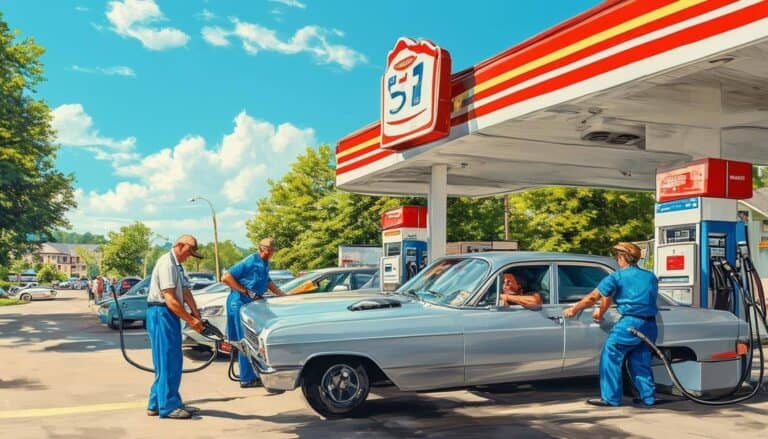
The tradition of full-service gas stations dates back to the early 20th century, when all gas stations offered attendants who would not only fill your tank but also clean your windshield, check your oil, and sometimes even perform minor maintenance tasks. This service was part of the experience, and it was a way for gas stations to differentiate themselves in a competitive market.
As self-service became more popular in the mid-20th century, it offered a cheaper, faster alternative that appealed to cost-conscious consumers. However, not everyone was on board with this change, and some states resisted the shift for various reasons.
Why New Jersey and Oregon Said “No” to Self-Service
1. Safety Concerns:
One of the primary reasons cited by lawmakers in these states was safety. Handling gasoline can be hazardous, and supporters of full-service laws argue that trained attendants are better equipped to manage the risks. The idea is that professionals are less likely to cause spills, fires, or other accidents that could endanger customers or the environment.
2. Job Protection:
Another significant factor is employment. Full-service gas stations create jobs, and in states like New Jersey and Oregon, where the law mandates full service, there’s a steady demand for gas station attendants. This was particularly important during times of economic hardship when job creation and preservation were top priorities.
3. Customer Convenience and Service:
In these states, the tradition of full service is also seen as a way to provide superior customer service, especially for elderly or disabled drivers who may find it difficult to pump their own gas. The law ensures that everyone can access fuel easily and safely without having to leave their vehicle.
The Debate: Pros and Cons of Full-Service Laws
While these laws have their supporters, they’re not without controversy. Here’s a look at the ongoing debate:
Pros:
- Safety: As mentioned, having trained attendants reduces the risk of accidents and ensures that gasoline is handled properly.
- Job Creation: Full-service stations provide jobs that might otherwise be eliminated if self-service were allowed.
- Convenience: For drivers who prefer not to leave their car or those with mobility issues, full service is a significant benefit.
Cons:
- Higher Costs: Full-service stations often have higher operating costs, which can lead to higher fuel prices. Drivers in these states sometimes pay more at the pump compared to those in states where self-service is the norm.
- Inconvenience: In some cases, the requirement for full service can cause longer wait times, especially during busy periods or in rural areas where there are fewer attendants available.
- -Consumer Choice: Some drivers feel that the laws are outdated and limit their freedom to choose how they want to pump their gas.
Recent Changes and the Future of Full-Service Laws
Oregon has started to relax its laws in recent years, allowing self-service in rural areas and during certain hours. This shift reflects changing attitudes and the realities of modern life, where convenience and cost savings are often prioritized. New Jersey, however, has maintained its ban on self-service, and there’s little indication that this will change anytime soon.
As technology evolves and electric vehicles become more common, the landscape of fueling could shift even further, potentially making the debate over full-service versus self-service a thing of the past.
Whether you see full-service gas stations as a charming throwback or an unnecessary inconvenience, there’s no denying that they are a unique part of the driving experience in New Jersey and Oregon. These laws, rooted in history, continue to shape the way drivers in these states fuel up. So, the next time you find yourself in one of these states, sit back, relax, and enjoy the service—because, for now, it’s the law!